If God is good and powerful, why does he allow evil and suffering?
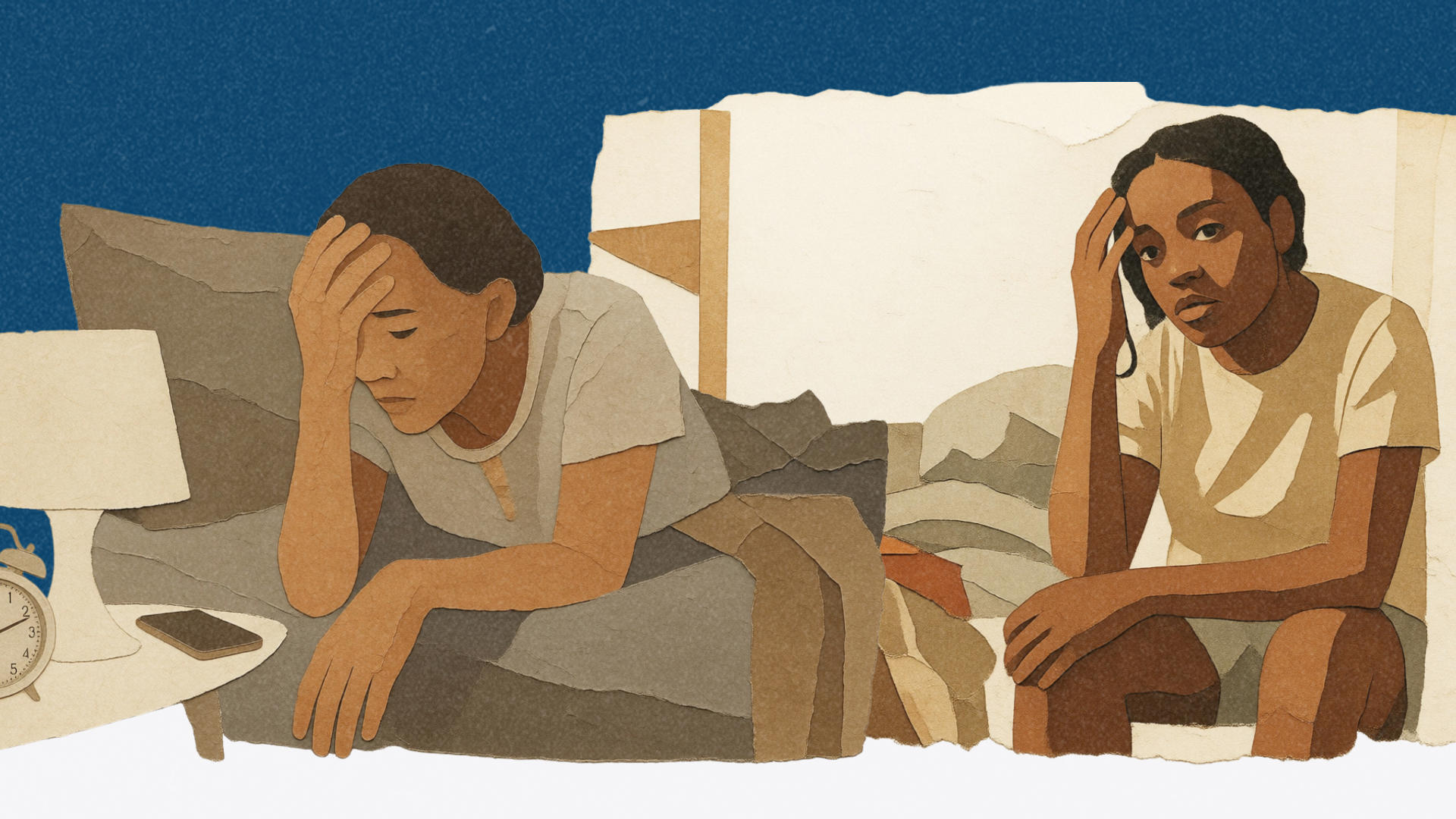
For many people, this is not merely an intellectual puzzle. It may be connected to a diagnosis, a betrayal, the death of someone they loved, or years of prayers that seemed to go unanswered. Before trying to explain suffering, we should listen carefully enough to understand the person who is asking.
Christianity does not give us a short answer that makes every painful experience feel simple. It does, however, give us a larger story: God created a good world, humanity turned away from him, sin brought brokenness into the world, and God entered that brokenness to rescue and redeem us.
Love requires real freedom
God did not create human beings as machines programmed to obey him. He created us with the capacity to love, and meaningful love requires the freedom to choose.
That freedom also makes rejection possible. Humanity chose independence from God, and the result is a world marked by sin, injustice, loss, and death. Much of the suffering we see grows directly from human choices. Other suffering comes from living in a creation that no longer operates as it was originally intended.
This does not mean every person suffers because of a particular sin they committed. Jesus rejected that simplistic assumption. It means all of us live in a world affected by humanity’s separation from God.
God can redeem what he does not delight in
The Christian response is not that suffering is secretly good. Evil is evil. Grief is real. Death is an enemy.
Yet God is able to bring endurance, character, compassion, and hope out of circumstances he does not call good. Redemption does not erase the wound or require us to pretend it never hurt. It means pain does not get the final word.
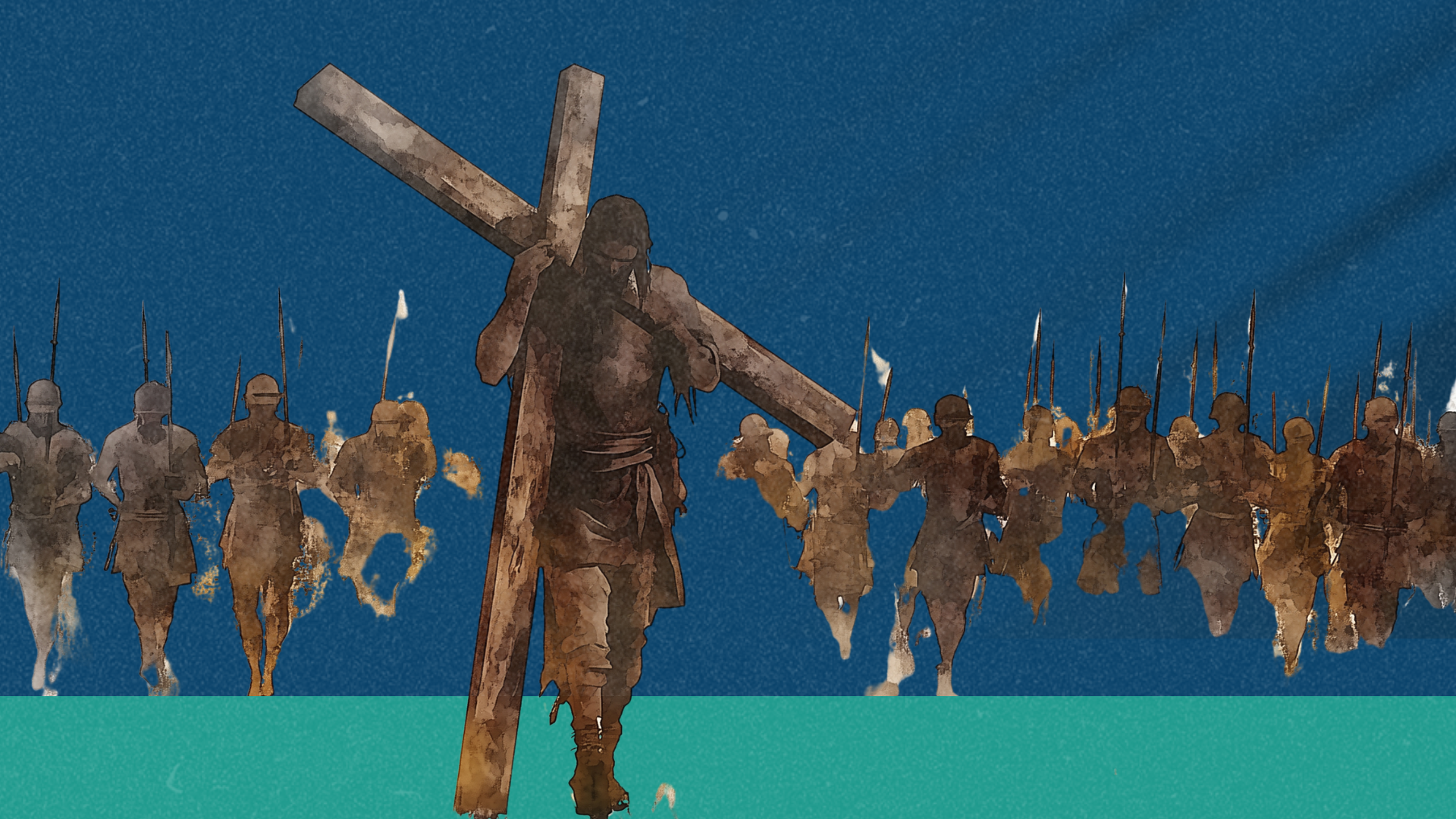
Joseph expressed this truth after enduring betrayal and injustice: what others intended for evil, God used for good. The cross is its fullest expression. Humanity’s greatest act of injustice became the means through which God offered forgiveness and life to the world.
Jesus entered our suffering
Christianity does not present a distant God watching human pain from a safe place. In Jesus, God stepped into our world. Jesus experienced rejection, grief, injustice, physical agony, and death.
At the tomb of his friend Lazarus, Jesus wept even though he knew resurrection was coming. That moment gives Christians permission to grieve. Faith is not pretending loss does not matter. We can mourn honestly while trusting that suffering and death will not last forever.
The Christian hope is not simply that God will help us understand every painful event. It is that God has acted in Jesus, remains present with us now, and will one day make all things new.
What not to say
Avoid rushing to tell someone that “everything happens for a reason.” Even when intended as encouragement, that phrase can sound as though their suffering is small or easily explained.
Do not assume the person needs a philosophical answer before they need compassion. Sometimes the most faithful response is to sit with them, acknowledge that what happened was wrong, and remind them they are not alone.
Questions that can keep the conversation open
- “When you ask that question, is there a particular experience you have in mind?”
- “What kind of answer do you think would make sense of suffering?”
- “Have you ever considered what Christianity says God has done about suffering?”
You do not have to solve the entire problem of evil in one conversation. Listen well. Tell the truth with humility. Help the person consider the God who entered our pain and promises that pain will not have the last word.
Gospel Conversation Workshops help everyday people respond to difficult questions with truth, humility, and love. Watch the complete workshop and learn about the next conversation at westsidebaptist.org/gctraining.