News & Updates

What's Happening at Westside Baptist Church? Find it all here.

By subscribing, you agree to receive email communication from Westside Baptist Church. You can unsubscribe at any time.

Featured
What does "Fear God and Keep His Commandments" mean? | Ecclesiastes 12

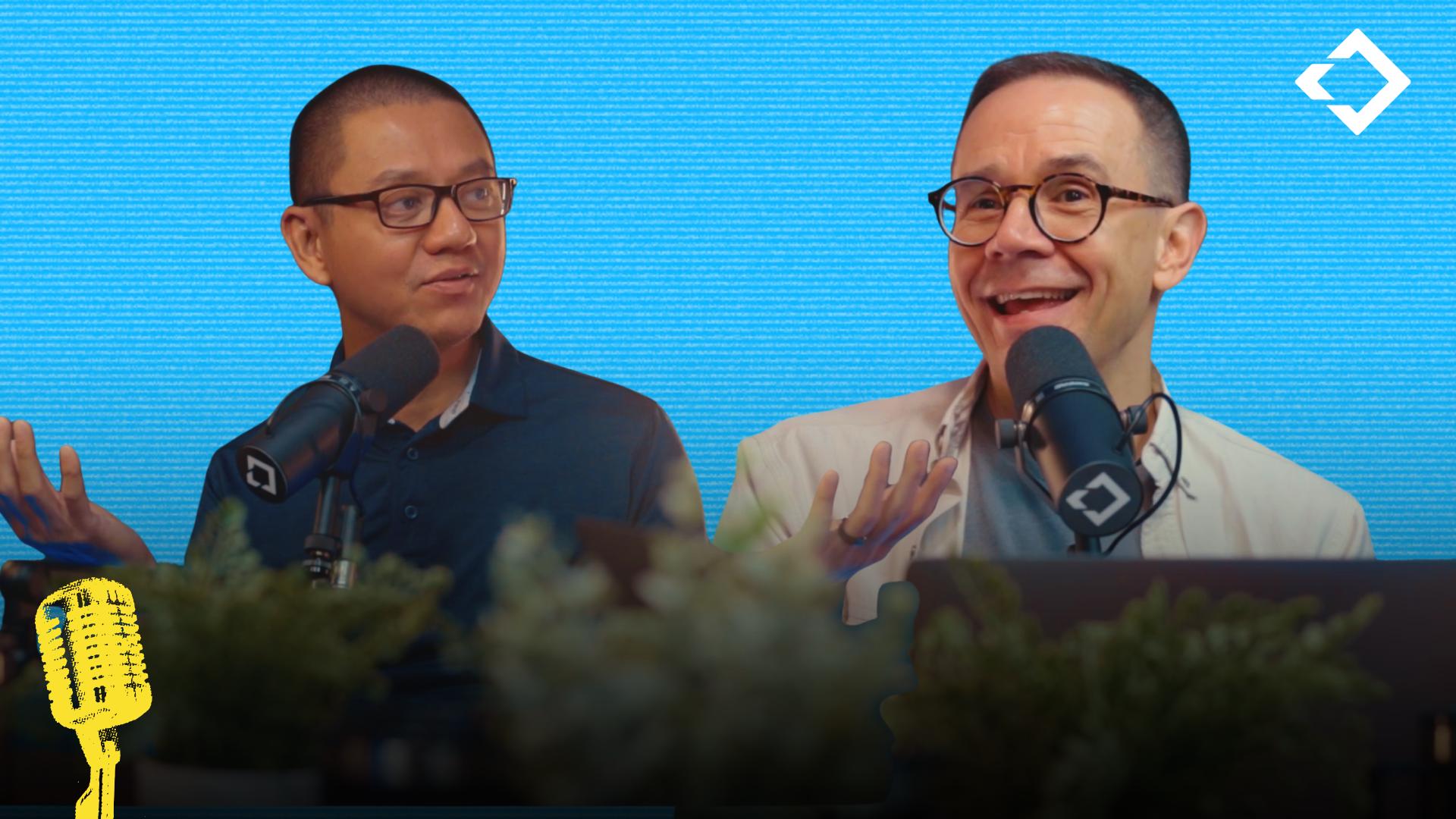
Ecclesiastes spends twelve chapters testing nearly every place people look for meaning. At the end, Solomon does not offer one more experiment. He gives a verdict: fear God and keep His commandments. Pastor David Chauncey and Pastor Richie Baldwin approach that ending from different directions. One follows the movement from God as Creator to Judge to Savior. The other compares Solomon’s “whole of man” with Aristotle’s search for human flourishing. Then the conversation moves through dead-end roads, French fry po’ boys, information overload, death scrolling, and the question underneath all of it: What are you going to do with Jesus? The final verdict is not a scorecard David’s sermon began with God as Creator. If God created us, then our lives are not accidents. We were made for a reason, and that means the choices we make with our lives matter. But Ecclesiastes does not stop with a Creator. Solomon also describes a Judge who will bring every deed into judgment, including the things done in secret. That turns the question of purpose into a question of accountability. It is not only whether our lives matter. Every thought, word, and action matters to God. That is where Ecclesiastes leaves us needing an answer Solomon could not yet see clearly. If God is Creator and Judge, we need Him to be Savior too. The ending of Ecclesiastes does not tell us to assemble a good-enough record. It exposes why we need Jesus. “The final verdict really on your life is: what are you going to do with Jesus?” — Pastor David ChaunceyLearn more about Baptism What “the whole of man” means Richie connected Solomon’s conclusion with Aristotle’s search for eudaimonia—human flourishing or fulfillment. Aristotle tried to work toward the good life through philosophy and virtue. Solomon, after testing wisdom, pleasure, work, wealth, and power, ends somewhere else. “Fear God and keep His commandments,” he writes, “for this is the whole duty of man.” Richie notes that the Hebrew idea is closer to “the whole of man.” This is not merely one religious duty added to an otherwise self-directed life. A life ordered around God is what human beings were created for. It is where our purpose, identity, obedience, and fulfillment finally come together. “This is the wholeness of man. It is your fulfillment.” — Pastor Richie BaldwinHow can we pray for you? Why God’s words sometimes hurt Ecclesiastes describes wise words as goads. A goad was a sharp tool used to keep an animal from wandering toward danger. It corrected by making the wrong direction uncomfortable. That is not a particularly sentimental picture of Scripture. Richie’s point was that God’s Word does not exist merely to affirm whatever direction we already want to go. Sometimes it confronts us. Sometimes Jesus says something that presses directly against our desires, priorities, or assumptions. The discomfort is not evidence that the words are bad. It may be evidence that they are keeping us from the wolves. “Jesus is always good, but very often He’s not nice. His words are like goads.” — Pastor Richie Baldwin Scripture: Acts 26:14; John 10:14-16 Faith and obedience belong together “Fear God” and “keep His commandments” can sound like competing ideas. Are we accepted because we trust God, or because we obey Him? Richie connects the two through the language Westside uses at baptism: Is Jesus Christ your Lord and Savior? We trust Jesus as Savior because our obedience will never be perfect. We confess Him as Lord because saving faith does not leave us determined to remain in rebellion. Obedience does not purchase salvation. It is the response of someone who believes Jesus is alive, trustworthy, and worthy of being followed. There is grace for every failure. There is also a new direction. Scripture: Romans 1:16-17; Romans 10:9-10 Enjoy your life. Invest your life. David summarized part of Ecclesiastes with two invitations: enjoy your life and invest your life. Solomon is not against food, work, relationships, laughter, or ordinary pleasures. He repeatedly tells us to receive them as gifts. The warning comes when a good gift is asked to become our god. David looked back on his younger years and admitted he would have worried less. He would have more aggressively enjoyed the life God gave him. But he also would have started investing earlier—not only financially, but spiritually. Time spent learning Scripture, growing in Christ, and building strong relationships with other believers produces a return that becomes clearer over decades. “You can enjoy life without enjoying sin.” — Pastor David ChaunceyInvest in the Mission of WestsideTake Your Next Step The one road that is not a dead end Every road Solomon tested eventually reached the same destination. Wealth ends. Pleasure fades. Work gets handed to someone else. Even wisdom cannot keep a person from dying. That does not mean the journey has no joy. It means none of those roads can carry the weight of eternity. Richie illustrates the problem with a New Orleans French fried potato po’ boy: French fries piled onto French bread, covered with roast beef gravy and mayonnaise, with lettuce and tomato added as the alleged low-calorie option. It can make you happy. It may also be the sort of happiness that sends you toward cholesterol medication. The sandwich is funny. The point underneath it is not. Pleasure can be received as a gift without becoming the purpose of life. Jesus is not simply a healthier option among several possible roads. He is the one road that does not terminate in death. Why more information has not made us wiser Solomon warns that “of making many books there is no end,” and that much study wearies the body. The problem is not learning. Ecclesiastes is itself a book of wisdom. The problem is trying to build a stable life from an endless stream of unstable voices. We now carry more ideas, arguments, entertainment, opinions, and breaking news than Solomon could have imagined. We can move from one answer to another every fifteen seconds and still feel less certain than when we started. David called it information overload. Richie described being told by his neurologist not to “death scroll” while his brain recovered from an injury. The endless feed was not neutral. It was training his mind. Technology can be a blessing. Podcasts can be a blessing. Books can be a blessing. But they are not Scripture, and none of them can replace abiding in the words of Jesus. Knowing wisdom is not the same as living wisely One of the unsettling parts of Solomon’s story is the distance between what he knew and how he lived. He could write wise words while making decisions that contradicted them. That distance is not only Solomon’s problem. Christians can know what patience looks like and still speak carelessly. We can explain forgiveness while holding a grudge. We can understand generosity and remain afraid to give. Knowledge matters, but knowledge by itself cannot transform us. This is why the wisdom books keep bringing us back. Proverbs shows the patterns of wise living. Ecclesiastes helps when life refuses to follow the expected pattern. Job speaks when everything collapses despite our faithfulness. Psalms give us words to pray through all of it. Song of Solomon celebrates covenant love. Together, they remind us that wisdom is not information we master once. It is a life of repeatedly returning to God. Also in this episode Aristotle, eudaimonia, and Solomon’s very different definition of human flourishing Why the wise words of Ecclesiastes are compared to goads The connection between one Shepherd in Ecclesiastes and Jesus in John 10 How Proverbs, Ecclesiastes, Job, Psalms, and Song of Solomon work together Richie’s French fried potato po’ boy and its questionable nutritional legacy David’s thoughts on enjoying youth without wasting it Why long-form podcasts can still work in a short-attention-span culture Intentional sermon bloopers involving po’ boys, aging, teeth, and senior discounts A preview of the upcoming Kingdom Family series What does it mean to fear God and keep His commandments? To fear God in Ecclesiastes 12:13 means responding to God with reverent trust, submission, and obedience because He is Creator and Judge. Keeping His commandments is not a way to earn salvation; it is the lived response of someone who trusts Him. Ecclesiastes reveals both our purpose and our accountability, while the New Testament shows why we need Jesus as Savior when our obedience falls short. Christian purpose is therefore not self-created happiness, but a life ordered around God and restored through Christ. Frequently asked questions Does fearing God mean being afraid of Him? The fear of God includes taking His holiness, authority, and judgment seriously, but it is more than panic or terror. In Ecclesiastes 12, fearing God means trusting Him enough to place your life under His authority. For a Christian, that reverence exists alongside confidence in God’s grace through Jesus. Does keeping God’s commandments save you? No. The episode distinguishes obedience from earning salvation. Christians are saved through faith in Jesus, not by producing a perfect record of commandment-keeping. Obedience follows salvation as a response to Jesus as Lord, while His grace covers the ways believers still fall short. What is “the whole duty of man” in Ecclesiastes 12:13? Ecclesiastes 12:13 concludes that humanity’s purpose is to fear God and keep His commandments. Richie notes that the Hebrew expression can be understood as “the whole of man,” emphasizing that life with God is not one isolated religious responsibility. It is the integrated purpose for which human beings were made. How does Ecclesiastes 12 point to Jesus? Ecclesiastes ends with humanity accountable before a Creator and Judge. That is good news only if God also provides a Savior, because no person keeps His commands perfectly. The New Testament reveals Jesus as the one who bears judgment for sinners, restores them to God, and leads them into the life Solomon was searching for. Did Solomon write Ecclesiastes? Ecclesiastes presents its Teacher as a son of David who possessed extraordinary wisdom, wealth, and royal experience, which has traditionally led readers to identify him as Solomon. Some scholars propose that a later writer or “school of Solomon” preserved and presented the material. David and Richie consider Solomon the most likely author while acknowledging that the authorship question is debated. Scripture Referenced: Ecclesiastes 9:4; Ecclesiastes 9:7–10; Ecclesiastes 12:1–14; Proverbs; Job; Psalms; Song of Solomon; Acts 9:4–5; Acts 26:14; John 3; John 8:31–32; John 10:14–16; John 14:6; Romans 1:16–17; Romans 3; Romans 6:23; Romans 7:15–25; Romans 10:9–10; 1–2 Kings; 1–2 Chronicles

Westside Gainesville9 Minute Read
August 6, 20269 Minute Read
What does "Fear God and Keep His Commandments" mean? | Ecclesiastes 12
Ecclesiastes spends twelve chapters testing nearly every place people look for meaning. At the end, Solomon does not offer one more experiment. He gives a verdict: fear God and keep His commandments. Pastor David Chauncey and Pastor Richie Baldwin approach that ending from different directions. One follows the movement from God as Creator to Judge to Savior. The other compares Solomon’s “whole of man” with Aristotle’s search for human flourishing. Then the conversation moves through dead-end roads, French fry po’ boys, information overload, death scrolling, and the question underneath all of it: What are you going to do with Jesus? The final verdict is not a scorecard David’s sermon began with God as Creator. If God created us, then our lives are not accidents. We were made for a reason, and that means the choices we make with our lives matter. But Ecclesiastes does not stop with a Creator. Solomon also describes a Judge who will bring every deed into judgment, including the things done in secret. That turns the question of purpose into a question of accountability. It is not only whether our lives matter. Every thought, word, and action matters to God. That is where Ecclesiastes leaves us needing an answer Solomon could not yet see clearly. If God is Creator and Judge, we need Him to be Savior too. The ending of Ecclesiastes does not tell us to assemble a good-enough record. It exposes why we need Jesus. “The final verdict really on your life is: what are you going to do with Jesus?” — Pastor David ChaunceyLearn more about Baptism What “the whole of man” means Richie connected Solomon’s conclusion with Aristotle’s search for eudaimonia—human flourishing or fulfillment. Aristotle tried to work toward the good life through philosophy and virtue. Solomon, after testing wisdom, pleasure, work, wealth, and power, ends somewhere else. “Fear God and keep His commandments,” he writes, “for this is the whole duty of man.” Richie notes that the Hebrew idea is closer to “the whole of man.” This is not merely one religious duty added to an otherwise self-directed life. A life ordered around God is what human beings were created for. It is where our purpose, identity, obedience, and fulfillment finally come together. “This is the wholeness of man. It is your fulfillment.” — Pastor Richie BaldwinHow can we pray for you? Why God’s words sometimes hurt Ecclesiastes describes wise words as goads. A goad was a sharp tool used to keep an animal from wandering toward danger. It corrected by making the wrong direction uncomfortable. That is not a particularly sentimental picture of Scripture. Richie’s point was that God’s Word does not exist merely to affirm whatever direction we already want to go. Sometimes it confronts us. Sometimes Jesus says something that presses directly against our desires, priorities, or assumptions. The discomfort is not evidence that the words are bad. It may be evidence that they are keeping us from the wolves. “Jesus is always good, but very often He’s not nice. His words are like goads.” — Pastor Richie Baldwin Scripture: Acts 26:14; John 10:14-16 Faith and obedience belong together “Fear God” and “keep His commandments” can sound like competing ideas. Are we accepted because we trust God, or because we obey Him? Richie connects the two through the language Westside uses at baptism: Is Jesus Christ your Lord and Savior? We trust Jesus as Savior because our obedience will never be perfect. We confess Him as Lord because saving faith does not leave us determined to remain in rebellion. Obedience does not purchase salvation. It is the response of someone who believes Jesus is alive, trustworthy, and worthy of being followed. There is grace for every failure. There is also a new direction. Scripture: Romans 1:16-17; Romans 10:9-10 Enjoy your life. Invest your life. David summarized part of Ecclesiastes with two invitations: enjoy your life and invest your life. Solomon is not against food, work, relationships, laughter, or ordinary pleasures. He repeatedly tells us to receive them as gifts. The warning comes when a good gift is asked to become our god. David looked back on his younger years and admitted he would have worried less. He would have more aggressively enjoyed the life God gave him. But he also would have started investing earlier—not only financially, but spiritually. Time spent learning Scripture, growing in Christ, and building strong relationships with other believers produces a return that becomes clearer over decades. “You can enjoy life without enjoying sin.” — Pastor David ChaunceyInvest in the Mission of WestsideTake Your Next Step The one road that is not a dead end Every road Solomon tested eventually reached the same destination. Wealth ends. Pleasure fades. Work gets handed to someone else. Even wisdom cannot keep a person from dying. That does not mean the journey has no joy. It means none of those roads can carry the weight of eternity. Richie illustrates the problem with a New Orleans French fried potato po’ boy: French fries piled onto French bread, covered with roast beef gravy and mayonnaise, with lettuce and tomato added as the alleged low-calorie option. It can make you happy. It may also be the sort of happiness that sends you toward cholesterol medication. The sandwich is funny. The point underneath it is not. Pleasure can be received as a gift without becoming the purpose of life. Jesus is not simply a healthier option among several possible roads. He is the one road that does not terminate in death. Why more information has not made us wiser Solomon warns that “of making many books there is no end,” and that much study wearies the body. The problem is not learning. Ecclesiastes is itself a book of wisdom. The problem is trying to build a stable life from an endless stream of unstable voices. We now carry more ideas, arguments, entertainment, opinions, and breaking news than Solomon could have imagined. We can move from one answer to another every fifteen seconds and still feel less certain than when we started. David called it information overload. Richie described being told by his neurologist not to “death scroll” while his brain recovered from an injury. The endless feed was not neutral. It was training his mind. Technology can be a blessing. Podcasts can be a blessing. Books can be a blessing. But they are not Scripture, and none of them can replace abiding in the words of Jesus. Knowing wisdom is not the same as living wisely One of the unsettling parts of Solomon’s story is the distance between what he knew and how he lived. He could write wise words while making decisions that contradicted them. That distance is not only Solomon’s problem. Christians can know what patience looks like and still speak carelessly. We can explain forgiveness while holding a grudge. We can understand generosity and remain afraid to give. Knowledge matters, but knowledge by itself cannot transform us. This is why the wisdom books keep bringing us back. Proverbs shows the patterns of wise living. Ecclesiastes helps when life refuses to follow the expected pattern. Job speaks when everything collapses despite our faithfulness. Psalms give us words to pray through all of it. Song of Solomon celebrates covenant love. Together, they remind us that wisdom is not information we master once. It is a life of repeatedly returning to God. Also in this episode Aristotle, eudaimonia, and Solomon’s very different definition of human flourishing Why the wise words of Ecclesiastes are compared to goads The connection between one Shepherd in Ecclesiastes and Jesus in John 10 How Proverbs, Ecclesiastes, Job, Psalms, and Song of Solomon work together Richie’s French fried potato po’ boy and its questionable nutritional legacy David’s thoughts on enjoying youth without wasting it Why long-form podcasts can still work in a short-attention-span culture Intentional sermon bloopers involving po’ boys, aging, teeth, and senior discounts A preview of the upcoming Kingdom Family series What does it mean to fear God and keep His commandments? To fear God in Ecclesiastes 12:13 means responding to God with reverent trust, submission, and obedience because He is Creator and Judge. Keeping His commandments is not a way to earn salvation; it is the lived response of someone who trusts Him. Ecclesiastes reveals both our purpose and our accountability, while the New Testament shows why we need Jesus as Savior when our obedience falls short. Christian purpose is therefore not self-created happiness, but a life ordered around God and restored through Christ. Frequently asked questions Does fearing God mean being afraid of Him? The fear of God includes taking His holiness, authority, and judgment seriously, but it is more than panic or terror. In Ecclesiastes 12, fearing God means trusting Him enough to place your life under His authority. For a Christian, that reverence exists alongside confidence in God’s grace through Jesus. Does keeping God’s commandments save you? No. The episode distinguishes obedience from earning salvation. Christians are saved through faith in Jesus, not by producing a perfect record of commandment-keeping. Obedience follows salvation as a response to Jesus as Lord, while His grace covers the ways believers still fall short. What is “the whole duty of man” in Ecclesiastes 12:13? Ecclesiastes 12:13 concludes that humanity’s purpose is to fear God and keep His commandments. Richie notes that the Hebrew expression can be understood as “the whole of man,” emphasizing that life with God is not one isolated religious responsibility. It is the integrated purpose for which human beings were made. How does Ecclesiastes 12 point to Jesus? Ecclesiastes ends with humanity accountable before a Creator and Judge. That is good news only if God also provides a Savior, because no person keeps His commands perfectly. The New Testament reveals Jesus as the one who bears judgment for sinners, restores them to God, and leads them into the life Solomon was searching for. Did Solomon write Ecclesiastes? Ecclesiastes presents its Teacher as a son of David who possessed extraordinary wisdom, wealth, and royal experience, which has traditionally led readers to identify him as Solomon. Some scholars propose that a later writer or “school of Solomon” preserved and presented the material. David and Richie consider Solomon the most likely author while acknowledging that the authorship question is debated. Scripture Referenced: Ecclesiastes 9:4; Ecclesiastes 9:7–10; Ecclesiastes 12:1–14; Proverbs; Job; Psalms; Song of Solomon; Acts 9:4–5; Acts 26:14; John 3; John 8:31–32; John 10:14–16; John 14:6; Romans 1:16–17; Romans 3; Romans 6:23; Romans 7:15–25; Romans 10:9–10; 1–2 Kings; 1–2 Chronicles
August 5, 20261 Minute Read
God Had a Plan All Along
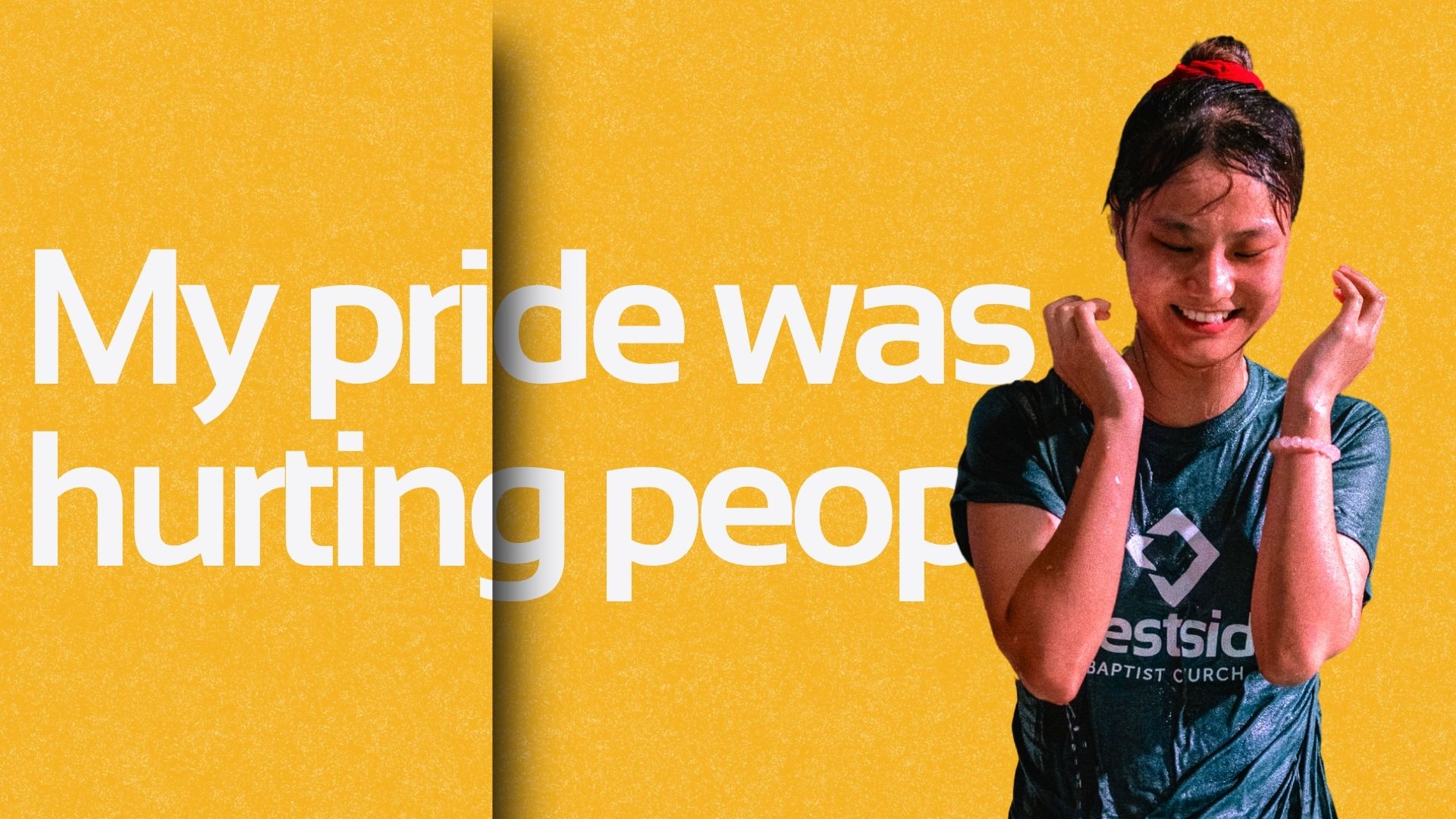
Randy grew up without a religious background and learned to rely on himself through every decision and difficulty. But when personal challenges and graduate school left him feeling stuck and without purpose, an unexpected friendship on a tennis court changed the direction of his life.Share Your Prayer RequestGet Baptized
July 30, 202610 Minute Read
The Safety Switch That Made the Explosion Happen
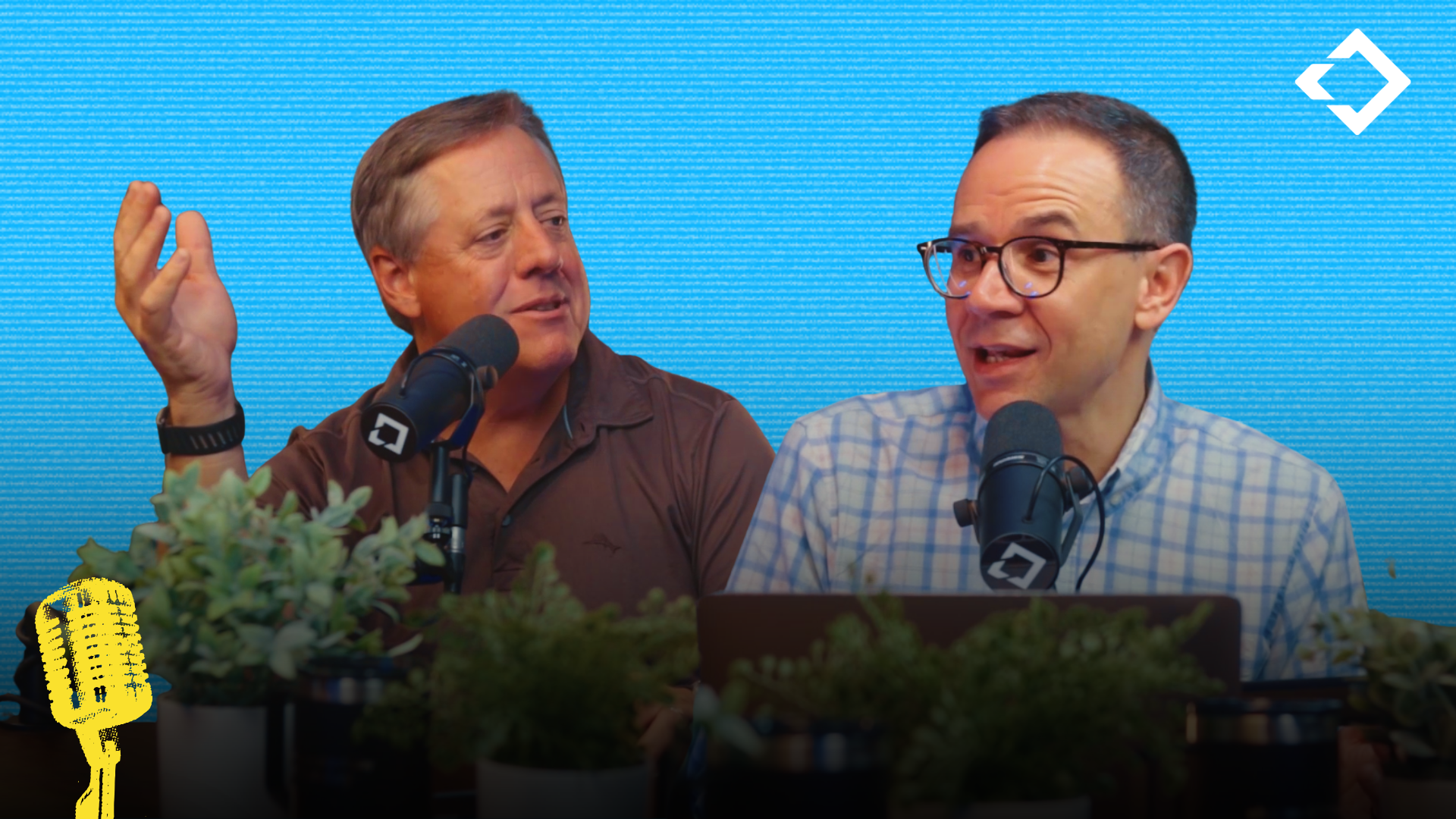
Horace wrote Carpe Diem around 60 BC. Most people know it as “seize the day.” That’s the part they quote. What they leave off is the rest of the phrase: “and put no trust in tomorrow.” Which is almost word-for-word Ecclesiastes 9. This week’s episode of What We Didn’t Say on Sunday covers Ecclesiastes 9:1–10, the chapter Richie calls the nadir — the lowest point of the whole book. Pastor David Chauncey and Pastor Richie Baldwin each preached this passage at their respective campuses last Sunday, and spent the podcast unpacking how Chernobyl, a Horace poem, and a caterpillar all point somewhere beyond Solomon. The Dilemma of Ecclesiastes 9 David framed chapter 9 as the “human dilemma” in four movements. Our plans are unreliable — Solomon says the hearts of men are full of evil. Our people are unreliable — the unrighteous surround us. Our power is unreliable — we end up like fish caught in a net, not lions we imagined ourselves to be. And even our pleasures are unreliable — they decrease over time, become addictive, and deliver less than promised. The famous line from this section: “it’s better to be a live dog than a dead lion.” David connected it to the Greek world through The Odyssey, which he and his wife had just seen in theaters. The Homeric parallel he kept coming back to: the Greek pantheon is humanity’s way of trying to manage the randomness of reality. Give offerings to the god of the sea. Hope Athena’s on your side. Build elaborate systems to control what you fundamentally can’t. Solomon’s point is the same thing, only from a monotheist who’s already tried all the Greek alternatives on his own: every plan, every human institution, every pleasure-seeking strategy eventually fails. Not because God is absent, but because none of these things are God. What Richie Preached: The AZ-5 Switch Richie built his sermon on Chernobyl — specifically the AZ-5 safety switch. The Soviet reactor design had a fundamental flaw that was known since the mid-1970s. Documents were redacted. No one admitted it. When the safety test at Chernobyl went wrong on April 26, 1986, operators pressed the AZ-5 switch — the switch designed to stop the reaction. But the graphite tips on the control rods actually accelerated the explosion before slowing it. The safety switch triggered the disaster. The metaphor Richie drew from it: the enemy wants you to press a switch that doesn’t work. The lie of the enemy — going back to Eden: “Did God really say you’re going to die?” — is the same lie. Trust yourself. Trust your flesh. The switch will hold. It won’t. “Every lie we tell incurs a debt to the truth. Sooner or later, that debt must be paid.” — Professor Legasov, Chernobyl (HBO) The three-point structure of Richie’s sermon: Death is certain (Romans 5:12 — sin came in through one man, death through sin). Death is only meaningful in Jesus (Ecclesiastes 9:7–10 — seize the day, because the day is given by God). Our ultimate hope is Jesus Christ (Romans 5:19 — through one man’s obedience, many will be made righteous). He ended with a scene from the HBO miniseries: a government official, complicit in covering up the truth, sitting outside the Chernobyl trial during recess. A caterpillar crawls onto his leg. He stops. He just watches it. He says, softly, “How beautiful.” Then he goes back in and tells the truth. Richie asked the congregation to notice something beautiful — and then offered the Lord’s Supper as the most beautiful thing he could give them.How can we pray for you? What David Preached: Seize This Day, Not Tomorrow David started with Horace and Carpe Diem — which he learned, as most people did, through Dead Poets Society. He wanted to show a clip of Robin Williams saying it. He did not show the clip. This was wise, because by the second service he had accidentally attributed the quote to Matt Damon in Dead Poets Society (Matt Damon was not in Dead Poets Society — he was in Good Will Hunting, which also featured Robin Williams but is a completely different film). A kind person in the congregation set him straight afterward. The relevant point that survived the blooper: Horace’s full phrase is “Carpe Diem, quam minimum credula postero” — seize the day, put as little trust as possible in tomorrow. That’s not how the phrase is usually quoted. It’s also almost exactly what Solomon says in Ecclesiastes 9:7–10. Ecclesiastes 9:7–10 — “Go, eat your bread with joy, and drink your wine with a merry heart, for God has already approved what you do. Let your garments be always white. Let not oil be lacking on your head. Enjoy life with the wife whom you love, all the days of your vain life that he has given you under the sun.” David’s four reversals from the gospel: where Solomon finds plans unreliable, God had a plan before the foundation of the world (Ephesians 1). Where people are unrighteous, God provides the one unrighteous-free Savior. Where pleasure fails, God provides pleasures that last forever. Where power collapses, God’s power cannot be stopped. He also pointed to Ecclesiastes 9:13–16 — the story of the little wise man in the city. An unheralded wise man could have delivered the whole city, if anyone had listened. David reads it as a gospel picture Solomon couldn’t have fully seen: the one unheralded wise man, Jesus, can deliver anyone who’ll listen. What Is Sheol? Ecclesiastes 9:10 mentions Sheol — “there is no work or thought or knowledge or wisdom in Sheol, to which you are going” — and the episode spends a good stretch unpacking what that actually means, since most people think Sheol = hell. It doesn’t. Sheol, in Old Testament Hebrew, is the place of the dead — not a place of torment, but a kind of shadowy realm of departed spirits. The Greeks called it Hades. By the intertestamental period, a distinction emerged between Sheol proper and Abraham’s bosom (or Paradise) — where the faithful dead were said to rest. This is the picture in Jesus’s parable of the rich man and Lazarus: Lazarus is in Abraham’s bosom, the rich man is in torment, and there’s a great chasm between them that can’t be crossed. Hell, in the New Testament sense — Gehenna, the lake of fire, eternal separation from God — is the final state after the resurrection and the great white throne judgment in Revelation 20. David’s read: the lake of fire isn’t “open” yet in the current age, in the sense that the final judgment hasn’t occurred. The intermediate state (between death and resurrection) is where departed souls currently exist. What Solomon sees in Ecclesiastes is the threshold of this: he knows Sheol is coming, he can’t see fully past it, and he calls for the fear of God as the only reasonable response. Progressive revelation — the gradual unfolding of Scripture — is what makes Ecclesiastes make sense. Solomon thirsted for the gospel without having the full gospel yet. The Chernobyl Prayer and the Lord’s Supper Richie closed his sermon with a passage from the book Chernobyl Prayer by Svetlana Alexievich — the account of a firefighter’s wife who stayed at his bedside as he died of radiation poisoning over 14 days, while pregnant. Their baby was born stillborn, lived only a few minutes, and the radiation that had been spreading through the mother’s body was drawn into the baby instead, protecting her. The line Richie quoted: “I don’t know what to tell you about death or love. Is it the same thing?” From there, straight into John 3:16 and the Lord’s Supper. God so loved the world that his Son would die for it. Death and love. It is, in Solomon’s terms, the one act of beauty that answers everything he couldn’t resolve.Get BaptizedTake Your Next Step Also in this episode Pastor David’s 36th wedding anniversary — and his accidental comment about his wife being “really large” during her twin pregnancy Richie’s wife, sleeping beautifully in a chair on a Saturday — with her mouth open (he almost said snoring) The Odyssey (Christopher Nolan) — Richie and Rebecca spent all of Friday night after the movie talking about how much it paralleled Ecclesiastes The Rest Is History podcast — Tom Holland the historian (not Spider-Man) did a two-episode Odyssey walkthrough that David recommends before seeing the film Dead Poets Society vs. Good Will Hunting — the complete conflation of two Robin Williams movies, corrected by a kind congregation member after second service Next week (if the Lord wills): Ecclesiastes 12, the finale of The American Experiment series What Does Carpe Diem Mean in the Bible? Carpe Diem, from the Latin poet Horace (around 60 BC), means “seize the day” — but the full phrase continues: “put as little trust as possible in tomorrow.” Ecclesiastes 9:7–10 captures essentially the same idea: eat and drink with joy, enjoy life with the wife you love, because these days are given by God and the activity of this present life doesn’t continue in Sheol. The text isn’t endorsing hedonism — it’s recognizing that ordinary daily life, enjoyed with gratitude and within God’s design, is itself God’s gift in the face of death’s certainty. What Is Sheol in the Bible? Sheol is the Hebrew word for the realm of the dead as understood in the Old Testament. It’s not identical to hell. It’s better understood as the intermediate state — the place all the dead go, believers and unbelievers alike, to await the resurrection. The Greek equivalent is Hades. In the New Testament, Jesus’s parable of the rich man and Lazarus (Luke 16) introduces a distinction within this realm: Abraham’s bosom (also called Paradise) is where the righteous dead rest, while the unrighteous experience torment. The final state — eternal separation from God in the lake of fire — is described in Revelation 20 as following the great white throne judgment at the end of the age. What Does Ecclesiastes 9 Say About Death? Ecclesiastes 9:1–6 presents death as the great equalizer — righteous and wicked, good and evil, clean and unclean all share the same fate under the sun. Solomon isn’t saying there’s no God or no judgment; he’s saying that from a purely human vantage point, the certainty of death relativizes every earthly advantage. His response in 9:7–10 is not despair but gratitude: enjoy the life God has given, because your participation in this world is finite and the life you’re living right now is a gift. The New Testament brings the resolution Solomon could only taste: through Christ’s death and resurrection, death no longer has the final word (Romans 5:12–19, 1 Corinthians 15). Scripture Referenced: Ecclesiastes 9:1–10 • Ecclesiastes 9:13–16 • Romans 5:12 • Romans 5:19 • Romans 6:23 • Ephesians 1 • John 3:16 • John 4:34 • Luke 16:19–31 • Revelation 20 • James 4:13–15
July 23, 202610 Minute Read
Why Does the Bible Have a Whole Book About Meaninglessness?
David opened his chapter 3 sermon by telling the congregation that God is really a problem. Pause. Long, awkward pause. Then: “because if God exists and he’s your Creator, you have somebody to answer to.” It’s a pretty good way to open a sermon on Ecclesiastes. The whole book is built on that kind of tension — honest, uncomfortable, nowhere to hide. This week’s episode of What We Didn’t Say on Sunday picks back up after the youth camp break with Pastor David Chauncey and Pastor Richie Baldwin covering what they preached through chapters 2 and 3 of the most honest book in the Bible. What Richie Preached: Work, Identity, and What You’re Actually Leaving Behind Richie’s recap of Ecclesiastes 2 moved in three directions. First: leave an enduring legacy. Solomon’s whole anxiety in chapter 2 is that everything he’s built is going to get handed to whoever comes after him — and he already knows that’s going to be Rehoboam, who would proceed to split the kingdom in half. The charge Richie drew from that: don’t let your work define what you leave. Let Christ define it. Whatever job you’re in, do it as a disciple-maker. He also made an intentional blooper at the start of his sermon, telling the congregation to quit their jobs. He meant it exactly the way he said it: stay where you work, but change why you’re there. Your job is the context. Discipleship is the mission. Second: be liberated from work as your identity. Solomon’s striving — all the “I, me, I, me” pronouns stacking up through chapter 2 — brought him sorrow and vexation even at night. When your identity is in what you produce, you’re on a roller coaster. And all kinds of things in the world can knock you off it, including just losing your job on Friday before Richie preaches about it on Sunday — which actually happened. Third: live in the grace of God. Work itself isn’t the curse. It was in the garden before the fall — God put Adam there to work it and keep it. The curse is the thorns that came with it. So the goal isn’t less work; it’s work aimed at something that outlasts it. Colossians 3:23Find a Community of Believers What David Preached: Seasons, Scores, and Dust David preached chapter 3 on his birthday, with his first granddaughter a few weeks old. He opened with Kansas’s “Dust in the Wind” — probably the most Ecclesiastes-adjacent song in the classic rock canon — and titled the sermon “We’re More Than Dust in the Wind.” The song gets the hopelessness right. The sermon is about where it goes wrong. Three movements. First: God is sovereign over my seasons. Looking back over the chapter’s list — birth and death, planting and uprooting, weeping and laughing, war and peace — David’s read is that Solomon’s point isn’t that life is random. It’s that no single season tells the whole story. You can get stuck in a good season (thinking it’ll last) or a bad one (thinking it won’t end). Ecclesiastes says: recognize the season you’re in, be faithful in it, and trust God with the rest. Second: when your labor connects to God’s kingdom, it gets eternalized. Whatever David does at Westside for however many years — it may seem like it disappears. But kingdom work, he said, creates ripples beyond the sun. It’s work that God’s sustaining hand is on. Third: God will settle every score. Ecclesiastes 3 ends with something uncomfortable — the recognition that there’s injustice where there should be justice, and Solomon says God’s going to have to sort that out. David walked that straight into the gospel: if God settles every score, he’s got one to settle with each of us. It gets settled either at the great white throne or at the cross. That’s not a threat. That’s an invitation. Knowing what time it is One of the threads that ran through both sermons and most of their conversation: knowing what season you’re in and doing the right thing with it. David mentioned a podcast and a book he wants to read on how to “die well” — not in a hospice sense, but how to spend the last 10 or 20 years giving away what you’ve accumulated in wisdom, relationship, and faith rather than holding onto it. He told the story of doing a funeral for a 92-year-old man. Afterward, the widow, who was 96, asked David if he’d do hers too when the time came. Then she said, almost offhandedly: “I just cannot believe how fast 96 years went.” The practical application, especially from Richie: know what time it is for you right now. A young mother with two kids under three has a different most-impactful use of herself than someone who’s built an organization for 30 years and has wisdom to pour out. The season determines the assignment. “I’ve come to understand God’s going to have to judge this. And the problem with God settling every score is that he’s got a score to settle with me.” — Pastor David Chauncey The wisdom books and where they all go Richie placed Ecclesiastes inside a framework of the five wisdom books — Psalms, Job, Proverbs, Ecclesiastes, and Song of Solomon — that’s worth knowing when you read any of them. Proverbs is normative: if everything is equal and you follow these principles, you’ll probably have a pretty good life. Ecclesiastes is the other book: most likely, things aren’t going to go exactly right, so how do you navigate that? Job is the third book: when nothing goes right, when you’ve done everything correctly and you’re still suffering, where do you bring that? Psalms are 150 prayers covering that same range of human experience. Song of Solomon is the one about love. The point: you can’t read one in isolation. And you can’t read Ecclesiastes in isolation either — it’s intended to be read front to back. Pull one verse out of the middle and you can walk away with a genuinely sad day. Philip Ryken’s commentary on Ecclesiastes is titled “When Everything Matters” — which is deliberately the opposite of what the book sounds like on the surface. His read: Ecclesiastes isn’t saying nothing matters. It’s showing you that everything matters in God. Wisdom pondering, and wisdom personified David nearly outlined his sermon as “wisdom pondering” — which is what most of Ecclesiastes is. He stepped back from it because it sounded too academic, but the category is exactly right. Solomon is wisdom pondering — asking hard questions, noticing the things nobody wants to name, sitting with uncertainty. It leaves you floating. It’s not until wisdom gets personified that the pondering lands somewhere. In John 1:1, John comes in with what Richie called a right hook: “In the beginning was the Logos, and the Logos was with God, and the Logos was God.” The Greek philosophers had been asking what the Logos was — the meaning behind it all — for centuries. Solomon was asking the same question in Hebrew. John just says: it became flesh. You can see it. Touch it. Watch it die and come back. And then Jesus shows up in the gospels presenting himself as everything Ecclesiastes says is missing. I am the bread of life — you’ll never hunger. I am the water of life — you’ll never thirst. I am the resurrection and the life — you’ll never really die. He is, as David put it, the personification of what God has always been trying to give us. “All of this is wisdom pondering. And it’s not until wisdom is personified in the person of Christ that it makes all of this Old Testament pondering make sense.” — Pastor David ChaunceyWatch the Full EpisodeTake Your Next Step Also in this episode The pebble in the shoe: Ecclesiastes 3:11 says God has put eternity in man’s heart — that restlessness is the pebble you can’t ignore The case for liking the hard questions in Scripture vs. wanting black-and-white answers — David’s honest confession John Piper’s Don’t Waste Your Life and the two retired nurses who died in Cameroon doing exactly what they were made to do Jesus’s Messiah clock — he knew when it was time to build, time to heal, time to wait (Lazarus), and time to stop and start dying Preview: two more chapters of Ecclesiastes to go before fall begins Why Does the Bible Have a Whole Book About Meaninglessness? Ecclesiastes doesn’t actually say everything is meaningless — or at least, that’s not the point. The Hebrew word translated as “vanity” or “meaninglessness” (hebel) literally means “breath” or “mist” — something ephemeral, here and then gone. Solomon is observing that the things people build their lives around under the sun don’t last. They have a kind of unreality to them. But God endures, and therefore work aimed at God endures. Ecclesiastes is less an argument for meaninglessness and more an extended demonstration that meaning can’t be found where most people are looking for it. What Does Ecclesiastes Say About Work? Ecclesiastes 2 wrestles with whether work itself has value, given that everything we build will eventually pass to someone else who may squander it. Solomon’s conclusion isn’t that work is bad — it’s that work as an identity and an ultimate source of meaning will always disappoint. Work that flows from faithfulness to God carries significance beyond what you can see. Colossians 3:23 frames the New Testament version: work heartily as for the Lord, not for men. What matters isn’t the work itself but what it’s aimed at. What Does ‘For Everything There Is a Season’ Mean in Ecclesiastes 3? Ecclesiastes 3:1–8 presents a list of contrasting seasons — birth and death, planting and uprooting, weeping and laughing, war and peace. The point isn’t fatalism or randomness. Solomon is observing that every human experience has its appointed time, and God is sovereign over all of them. The corresponding call is faithfulness in whatever season you’re in, rather than clinging to good seasons or despairing in difficult ones. Ecclesiastes 3:11 adds the key theological note: God has put eternity into the human heart, which explains why no earthly season ever fully satisfies. How Does Ecclesiastes Point to Jesus? Ecclesiastes documents the failure of everything under the sun to provide lasting meaning — pleasure, work, wisdom, achievement, accumulation. It’s a long setup to a question the book never fully answers by itself. Jesus, in the New Testament, presents himself as the direct answer to each of Ecclesiastes’s unresolved questions: the bread of life (you’ll never hunger), the water of life (you’ll never thirst), the resurrection and the life (you’ll never ultimately die). Where Solomon could only ponder the Logos, John 1:1 says the Logos became flesh. Ecclesiastes is wisdom pondering; Jesus is wisdom personified. Scripture Referenced: Ecclesiastes 2 • Ecclesiastes 3:1–8 • Ecclesiastes 3:11 • Ecclesiastes 3:12 • Philippians 3:4–8 • Colossians 3:23 • Matthew 5:16 • Revelation 7 • John 1:1 • Philippians 1:21–23
July 2, 20268 Minute Read
The Vine, the Branches, and a Newborn Grandbaby
Pastor David’s first grandchild was born on a Thursday. He preached this sermon three days later, and — by his own admission — there was no way it wasn’t going to end up in there somewhere. This week’s episode of What We Didn’t Say on Sunday closes out the Values series with John 15 — the vine and the branches — and the fourth value: growth over status quo. Pastor David Chauncey and Pastor Richie Baldwin talk through what it actually means to abide in Christ, and why “staying where you are” was never really on the table. A Peach on the table David brought a peach into the sanctuary Sunday. Left on the table a few weeks, he said, it doesn’t hold steady — it decays. That’s just how things work when they stop growing. A newborn is the same way, just faster and higher stakes: there’s no such thing as a baby standing still. Maintain isn’t an option. You’re either growing, or you’re going backward. He tied that straight to Jesus’s concern for his disciples in John 15 and 16 — faithfulness, fruitfulness, obedience, joy. Four things Jesus wanted for the people he was about to leave behind, the same way a new grandfather wants them for a baby three days old. Simon, Before he was peter Richie built his sermon around something easy to miss. Jesus’s first words to Simon weren’t “come, follow me” — that came later, maybe a year later, by the Sea of Galilee. The actual first words, back in John 1, were a name: “You are Simon, son of John. You will be called Cephas” — Peter. The rock. And then you watch Peter spend the next three years trying to earn a name he was given before he’d done anything to deserve it. Work, work, work — and Jesus gently correcting him the whole way through, back toward something simpler. Abide. Pruning hurts John 15:1-2 (ESV)“I am the true vine, and my Father is the vinedresser. Every branch in me that does not bear fruit he takes away, and every branch that does bear fruit he prunes, that it may bear more fruit.” Richie pointed out something worth sitting with: the vine image isn’t random. In the Old Testament, the vine was Israel’s national symbol. When Jesus says “I am the true vine,” he’s saying something pointed — I’m what Israel was supposed to be and couldn’t. The Father is the one doing the pruning, and pruning isn’t gentle. It cuts. Richie pulled in C.S. Lewis’s Voyage of the Dawn Treader — the boy who turns into a dragon, and how painful it is when Aslan finally tears the dragon-skin off him. Worth it. Still genuinely painful. That’s pruning. Not punishment — removal of what’s actually hurting you, and it doesn’t feel good while it’s happening. What “Bearing Fruit” Actually Means Richie defined it plainly: bearing fruit is becoming more like Jesus. Not doing more church stuff — character. He went to Galatians 5, where Paul lists it out against the law: love, joy, peace, patience, kindness, goodness, faithfulness, gentleness, self-control. Whatever you’re doing — missions, VBS, winning souls, whatever — none of it means much without the sap actually running through the vine. Christ has to be working in you, or it’s just activity. The lactation consultant David leaned hard into the newborn picture, and it’s a good one even if it got a little PG-13 for a Sunday morning. He can hold his grandbaby. Change a diaper — he’s done ten thousand of those. Protect him, provide for him. What he can’t do is nurse him. There’s exactly one person that baby can draw life from, and he has to latch on to get it. Then he said the quiet part: “I’m sort of your lactation consultant here.” His job on a Sunday is just to help people latch onto God’s word and actually draw from Christ — not produce the life themselves. He can’t give people something he doesn’t have. Whatever shows up on a Sunday morning is just the overflow of however he’s been abiding Monday through Saturday. Is Abiding passive, or is it work? Is abiding something you do, or something that happens to you? The answer? Both, and that’s not a contradiction. Mary, sitting at Jesus’s feet while Martha works herself ragged in the kitchen, isn’t doing nothing. She’s actively listening. Receiving and pursuing aren’t opposites. David tied it to 2 Peter 1 — Peter saying God’s divine power has given us everything we need for life and godliness, and then turning around two verses later to say “for this reason, make every effort.” You’ve been given everything. Now go supplement it. Like a nursing baby who eventually needs more than just milk.Watch the Full EpisodeTake Your Next Step Closing the series: Four Values, ONe thread Richie pulled the whole series together at the end. Prayer over might — don’t just think about it, actually do it. Truth over trend — soak in the word, don’t just nod along. We over me — you can’t abide alone in your house; the church is part of it. Growth over status quo — the same abiding that saves you passively is the abiding you have to actively pursue for the rest of your life. All four values, same root. Jesus saves actively — his life, his death, his resurrection, nothing you contributed. What you do is abide in what he’s already done. What’s Next? The American experiment David gave a heads-up on the next series: Ecclesiastes, five weeks, timed to land around America’s 250th anniversary. He’s calling it “The American Experiment” — Solomon had every form of wealth, wisdom, and power available to a human being, ran the experiment, and reported back that none of it satisfies on its own. David’s read: that’s the same experiment a nation tries, generation after generation. Also in this episode Why Peter’s vision of the unclean animals in Acts 10 was its own kind of pruning — this time of his theology, not just his pride Micah 6:8 and the question “with what shall I come before the Lord” — the move from sacrifice to simply walking humbly Why 24 of the New Testament’s 27 books mention fruitfulness in the believer’s life Luke 22: Jesus telling Simon — not yet Peter — “I have prayed for you, that your faith may not fail” What Does It Mean to Abide in Christ? In John 15:4, Jesus says, “Abide in me, and I in you. As the branch cannot bear fruit by itself, unless it abides in the vine, neither can you, unless you abide in me.” To abide means to remain, to stay connected — not a one-time decision but an ongoing relationship sustained through the Spirit, through Scripture, and through the church. It’s less a task to complete and more a connection to maintain, the way a branch stays attached to a vine simply by not detaching. What Does the Vine and Branches Passage in John 15 Mean? Jesus identifies himself as “the true vine” (John 15:1), a title loaded with Old Testament meaning since the vine was a national symbol for Israel. Jesus is saying he accomplishes what Israel as a nation couldn’t. The Father is the vinedresser who prunes branches so they bear more fruit, and removes branches that bear none. The image teaches that spiritual fruitfulness isn’t self-generated — it flows from staying connected to Christ, the way a branch’s life comes from the vine, not from the branch itself. What Does It Mean to Bear Fruit Spiritually? Bearing spiritual fruit means becoming more like Jesus in character, not simply doing more religious activity. Galatians 5:22-23 lists it directly: love, joy, peace, patience, kindness, goodness, faithfulness, gentleness, and self-control. Paul contrasts this with law-keeping — fruit isn’t earned through rule-following, it’s produced naturally by abiding in Christ, the same way grapes grow naturally on a healthy, connected branch. Why Did Jesus Rename Simon to Peter? In John 1:42, Jesus tells Simon, “You will be called Cephas” (Aramaic for Peter, meaning “rock”) — before Simon had done anything to earn that identity. Many interpreters see this as Jesus speaking a future reality into being rather than describing a present one: Peter spends the gospels working to live up to a name given in advance. The pattern shifts in Luke 22:31-32, where Jesus tells Simon his faith won’t fail — not because of effort, but because Jesus himself prayed for him. Is Abiding in Christ Passive or Active? Both, and Scripture holds the tension rather than resolving it. Salvation itself is passive — a gift received, not earned (Ephesians 2:8-9). But abiding, once saved, requires active pursuit: reading Scripture, praying, gathering with other believers, and according to 2 Peter 1:5-7, deliberately supplementing faith with virtue, knowledge, self-control, and the rest. The Mary and Martha story (Luke 10) is often used to illustrate this: Mary’s stillness at Jesus’s feet isn’t passivity — it’s active attention, just aimed at receiving rather than producing. Scripture referenced: John 15:1–17 • John 1:42 • Galatians 5:22–23 • Micah 6:8 • 2 Peter 1:3–7 • Luke 22:31–32 • Luke 10:38–42
June 25, 20265 Minute Read
What Does the Bible Say About Christian Unity?
James and John once asked Jesus for the two best seats in the kingdom. A few decades later, John sits down to write his gospel and includes a prayer where Jesus asks the Father for something else entirely on behalf of people James and John would never meet. Us, two thousand years later, in Gainesville. This episode was recorded on Father’s Day, and it shows. Pastor David Chauncey and Pastor Richie Baldwin spend most of it on John 17:20–26 — the part of the prayer where Jesus shifts from praying for the eleven disciples in the room to praying for everyone who’d believe because of them. A PRAYER FOR GRANDCHILDREN Pastor David frames the shift simply: in verses 6–19, Jesus prays for his children — the eleven disciples. In verses 20–26, his attention turns to the grandchildren — everyone who would believe through the disciples’ testimony. That includes every believer who has ever lived since. What does Jesus pray for this future family? Not health, happiness, or a good job — the things most fathers instinctively pray for their kids. He prays for unity (“that they may be one”, repeated several times) and proximity (“that they also may be with me where I am” — John 17:24). One in unity here on earth. One with him in eternity forever. How can we pray for you? Let us know by clicking the button below.I need prayer THREE REASONS WE OVER ME MATTERS Pastor David draws three threads out of the passage. First, unity reflects the divine — when believers surrender their own desires for the good of others, they put God’s relational, self-giving nature on display. Second, unity reaches the world: “Make them one, Father, so that the world will know that you love me and that you sent me” (John 17:21,23). Disunity actively undercuts the testimony believers are trying to give. Third, unity recognizes our future — because we are guaranteed an eternal home with the Father, it becomes easier to sacrifice now, knowing the outcome is already secure. He illustrates the power of unified testimony with the World Cup: stadiums full of fans from Mexico, Scotland, and beyond singing their national anthems with total, unembarrassed unity — a single voice, completely given over to one allegiance. That, he says, is the kind of undivided allegiance God wants from the people he has called out for himself. TRANSFORMATIONAL DISCIPLESHIP IS RELATIONAL, NOT DIGITAL Richie’s sermon at Southwest leaned into discipleship as the practical outworking of we over me. His foundation: Romans 12:2 — don’t be conformed to the world, but transformed. Conformity is easy. Transformation is impossible apart from the power of God working through discipleship — and discipleship, he insists, has to be relational. You can’t get it from YouTube. He quotes Robert Coleman’s The Master Plan of Evangelism: God’s plan A was for the gospel to spread through ordinary people. There is no plan B. Jesus modeled this by narrowing his focus — from thousands, to twelve, to three, to one beloved disciple. Real discipleship happens life-on-life, shoulder-to-shoulder, one-on-one. Richie cites Brett McCracken’s Scrolling Ourselves to Death: the suicide rate among kids ages 10–24 has risen 62% since 2007 — the same year the iPhone debuted. His point isn’t that phones are evil, but that the digital age is actively pulling people away from the relational discipleship Jesus modeled and commanded.Connect in a Life Group A MISSION STATEMENT FOR FATHERS David highlights John 17:26 as a mission statement for dads: “I have made known your name to them, and will make it known, so that the love with which you loved me may be in them.” His hope for his own kids: to make God known to them through Christ so that the love he has experienced with God becomes the love they experience too. It is not a task to complete. It is a desire to be lived. Think of David, Solomon, and Rehoboam — a father trusting an imperfect son with everything, generation after generation. In John 17, God the Father entrusts everything to God the Son, who entrusts it to us. The trust runs all the way down to Gainesville, Florida, today. Theological Triage | What We Have to Agree On If unity matters so much, why are there so many denominations? Richie introduces Albert Mohler’s concept of theological triage — like a medical triage, doctrines are sorted by urgency. Primary doctrines are life-or-death: salvation by grace through faith in Christ alone, the deity of Christ, the resurrection. Pull out those pillars and the faith collapses entirely — it isn’t Christianity anymore. Secondary doctrines — like the mode of baptism — shape which church you join and disciple within, but don’t determine whether someone is a Christian. Tertiary doctrines, like views on the millennium, are things believers can disagree on while still worshipping together on a Sunday morning. Pastor David notes that in decades of ministry, he has rarely counseled anyone who struggled to become a Christian because of denominational differences — but he has met many who struggle because Christians don’t look different from the world.Watch the Full EpisodeTake Your Next Step